Image Gallery A
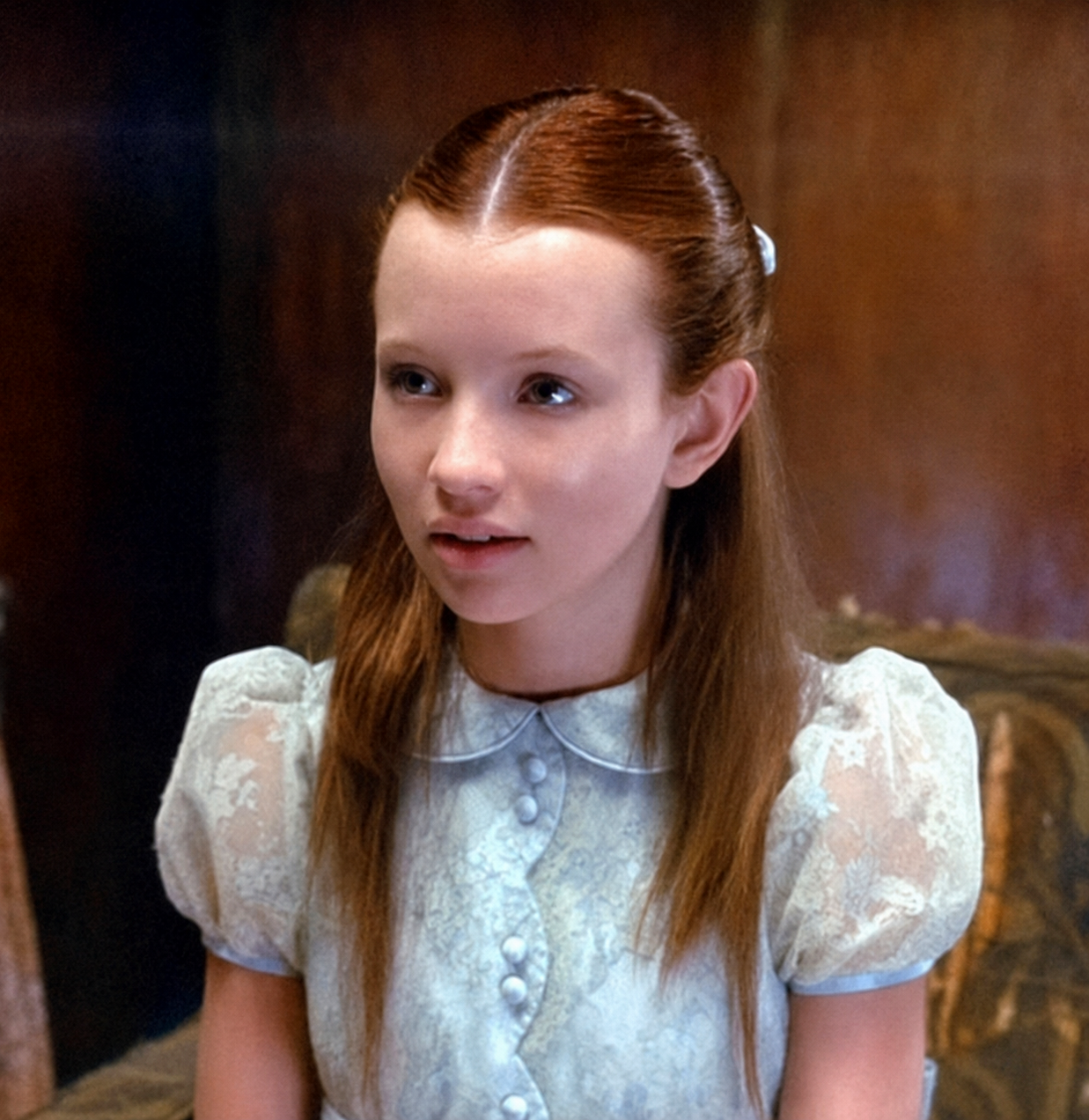
Figure 1
Katie’s appearance is representative of mid-20th Century childhood innocence and serves as a visual thesis about her moral and symbolic status.
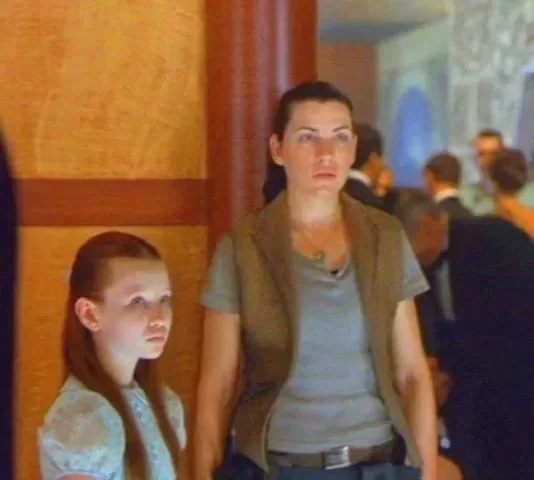
Figure 3
Katie’s “girly” appearance contrasted with Epps. Although she would be considered fairly average for a 12-year-old English girl in 1962, modern viewers may find her a little more childlike than children the same age today.
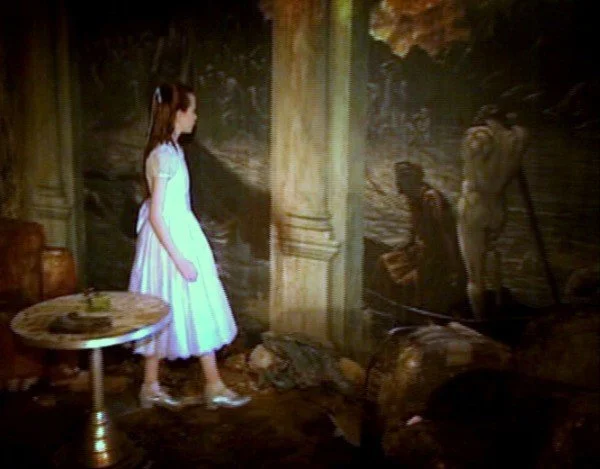
Figure 5
Katie contemplates another mural of Charon from Dante’s Divine Comedy in the DVD extended features. This reinforces her connection with Dante’s spiritual figures.
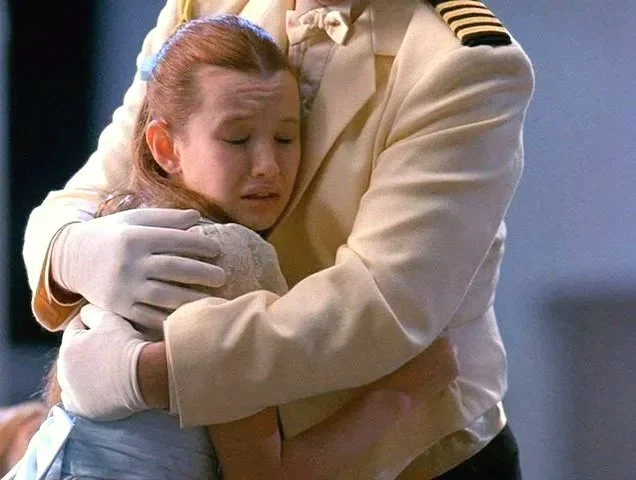
Figure 7
This scene represents the protective care most of the 1962 shipmates had for Katie. Assuming a communal role, they altered their behavior in her presence. Here, the captain shields Katie from danger.
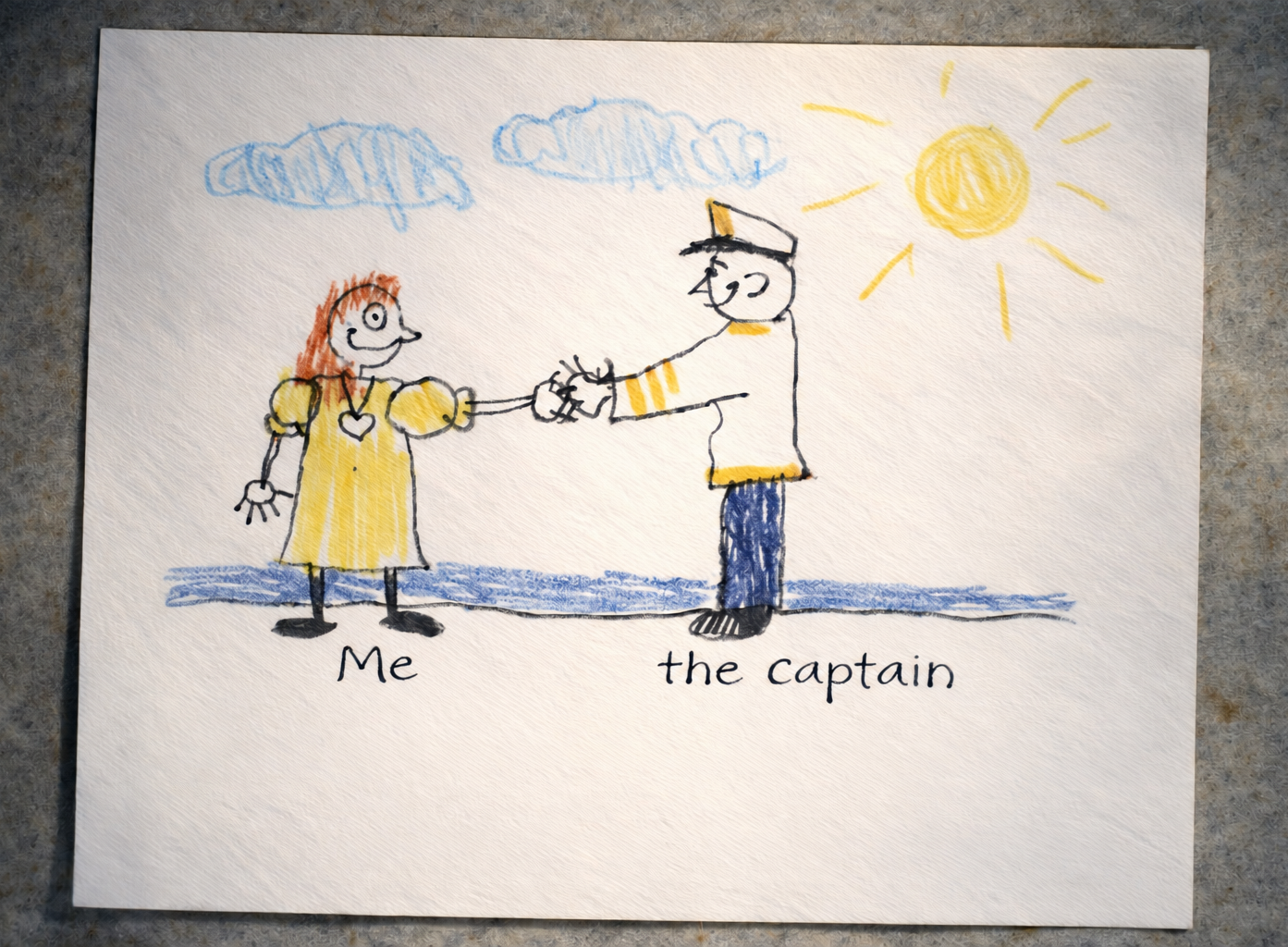
Figure 9
The expanded features of the DVD and website shift Katie further away from the horror genre. Katie’s artwork augments the humanity of an already poignant figure.
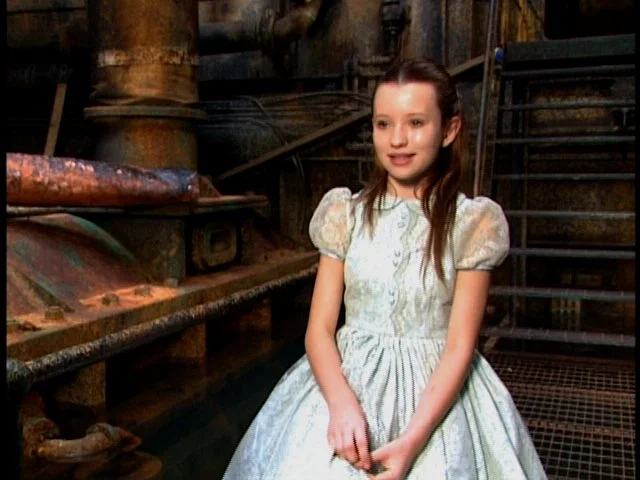
Figure 11
Following the completion of filming, Emily Jane dons Katie’s dress to comment about her character. Ironically, she was not permitted to view the film at the premiere due to her youth and the coarse content.
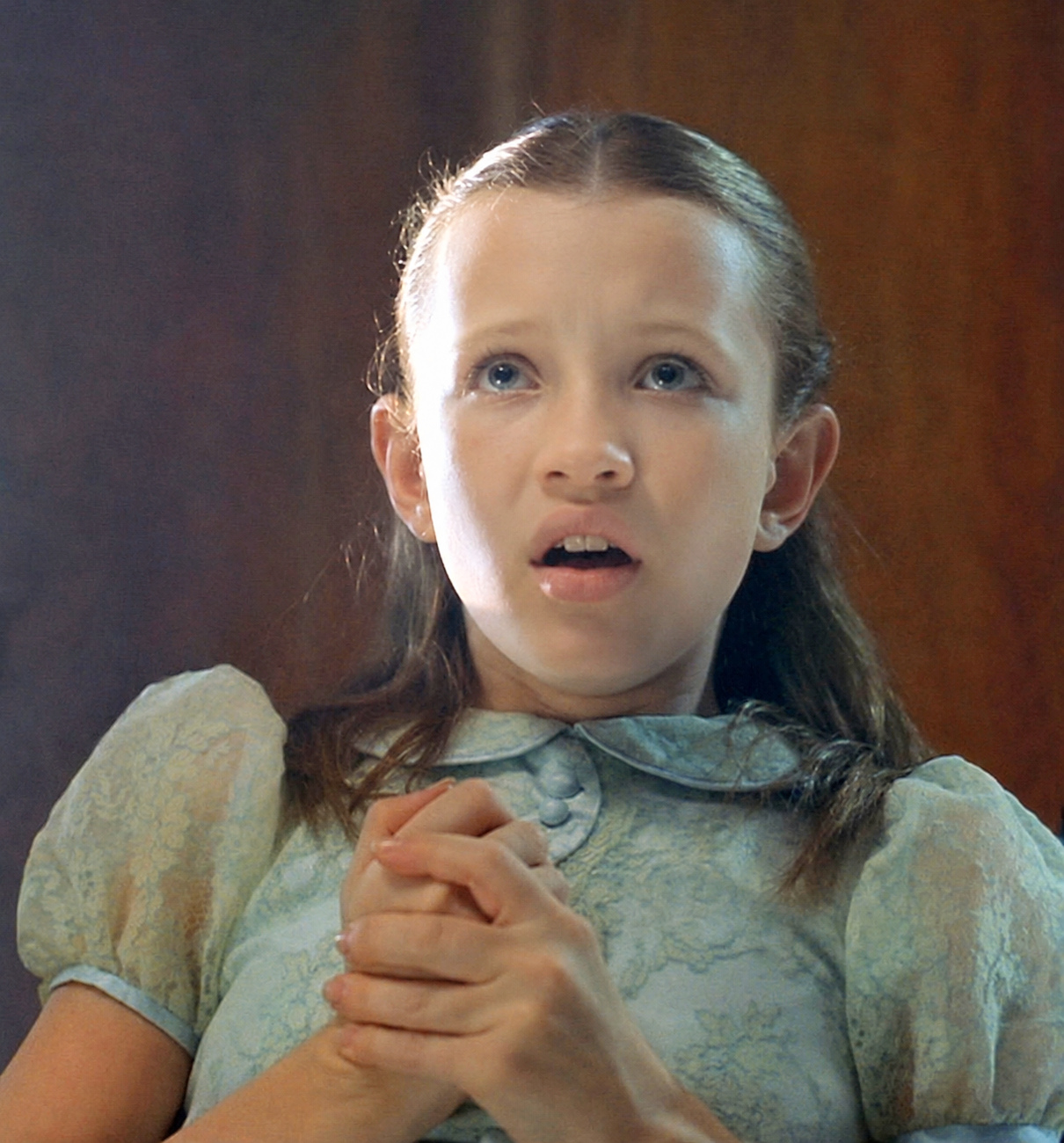
Figure 13
Is Katie appealing to heaven for strength? Such sincere displays of faith are almost unheard of in the horror genre. Although it fits well within her characterization, a prayer was not incorporated into the completed film. References to faith are hinted at more in the paratextual materials.
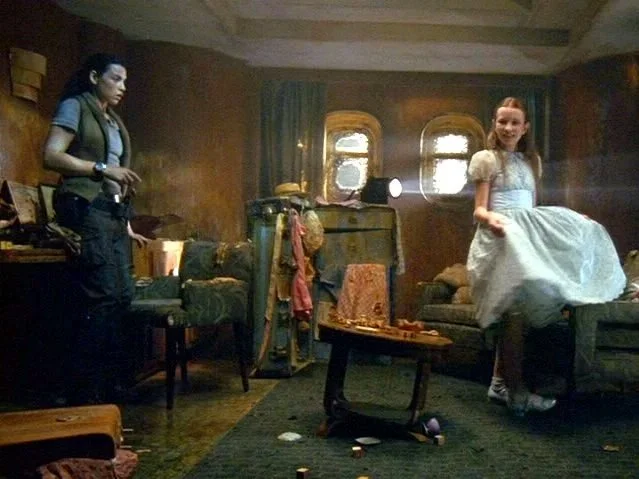
Figure 2
Katie “models” her dress for Epps – This is one of numerous examples exemplifying Katie’s very un-horror like behavior.
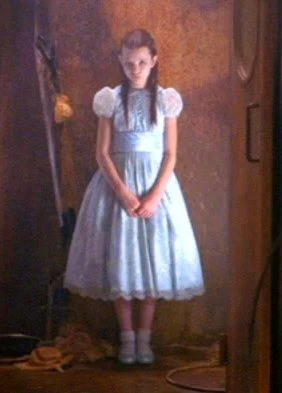
Figure 4
“Ritualized girlhood” Katie’s dress and hair are visually coded innocence, as opposed to corruption or menace. She embodies a more gradual childhood development model from an earlier era.
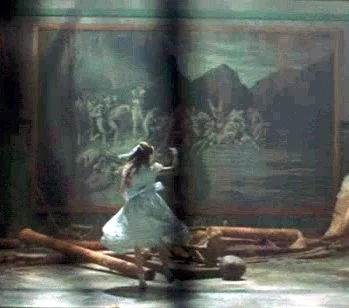
Figure 6
In a twist of dramatic irony, Katie twirls and plays in hell’s shadow in front of the mural of Charon ferrying souls in his boat across the waters of death. She passively defies Ferriman just by being herself.
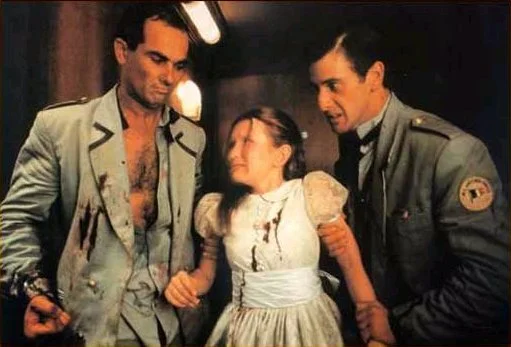
Figure 8
Katie looks death in the face. Unlike everyone else, the conspirators tried to hide Katie’s murder. As the sole survivor and witness of the massacre on deck, she was a liability. Due to the sensitive nature involving a child, no harm was shown to Katie onscreen. Picture from extended content.

Figure 10
Katie’s word puzzle messages and paratextual materials further establish her as an extraordinarily unusual horror child character. Picture from expanded content.
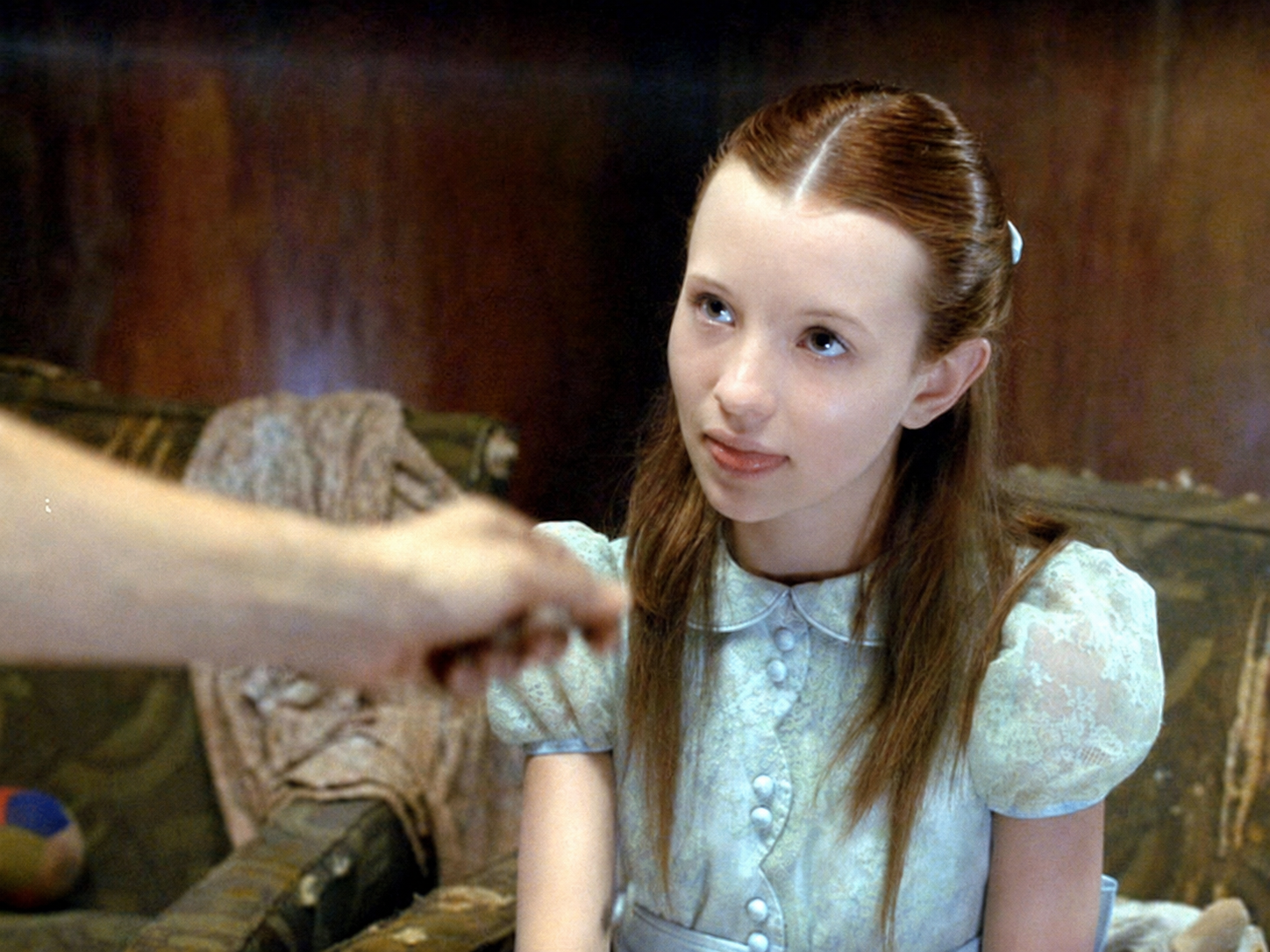
Figure 12
Epps tries to hand Katie her locket. Emily Jane’s subtly effectual acting techniques such as delay, cognition, then reaction increase the poignancy and authenticity of a touching vignette. Here, Katie smiles and holds her tongue out with childish charm, whimsically proving she was actually dead by letting the locket pass through her hand.
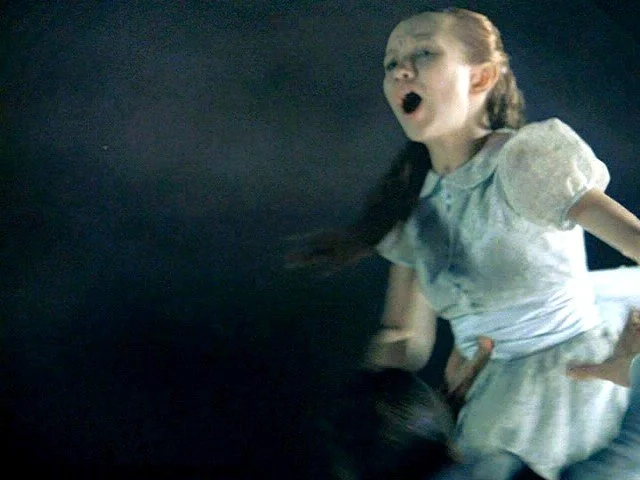
Figure 14
Along with the murals, this scene also illustrates the conflict between Katie and Ferriman. Despite knowing Ferriman will try to silence her, Katie still chooses to directly intervene in the attempt to warn and save Epps and the salvage crew.